

Microgreens are revolutionizing the way we think about nutrition, offering up to 40 times more vitamins and minerals than their mature counterparts while providing exceptional flavor and visual appeal. These tiny powerhouse plants, harvested just 7-14 days after germination, have transformed from restaurant garnishes into essential components of healthy diets worldwide. Microgreens represent the perfect intersection of convenience, nutrition, and culinary excellence, making them ideal for anyone seeking to maximize their health benefits while enjoying delicious, fresh flavors.
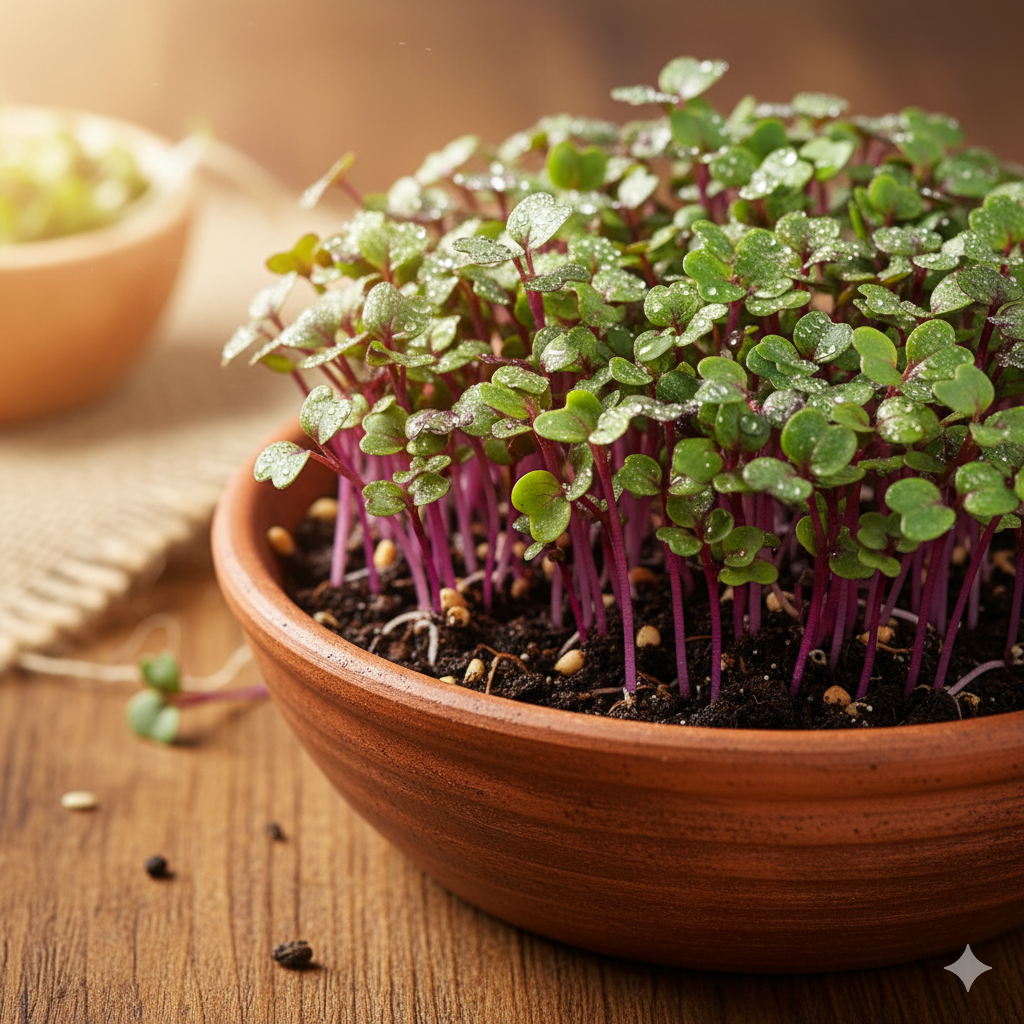
The growing popularity of microgreens stems from their remarkable nutritional density, ease of cultivation, and versatility in cooking applications. Whether you’re a health-conscious individual, home chef, or commercial grower, understanding microgreens can unlock new levels of nutrition and culinary creativity in your daily life.
What Are Microgreens and Why They Matter
Microgreens are young vegetable and herb seedlings harvested when they develop their first set of true leaves, typically 1-3 inches tall. Unlike sprouts, which are grown in water and consumed whole including roots, microgreens are grown in soil or growing medium and cut above the root line, providing superior flavor, nutrition, and food safety.
The science behind microgreens reveals why they’re so nutritionally superior. During the early growth phase, plants concentrate maximum energy and nutrients into developing leaves, creating an incredibly dense nutritional profile. Research from the University of Maryland found that microgreens contain 4-40 times higher nutrient levels compared to mature plants, making them true nutritional powerhouses.
Microgreens bridge the gap between sprouts and baby greens, offering the convenience of quick-growing crops with the safety and flavor profile of traditional vegetables. This unique positioning makes them perfect for both commercial production and home cultivation.
Incredible Health Benefits of Microgreens
Exceptional Nutritional Density
Microgreens provide concentrated nutrition that’s easily absorbed by the body. Key nutrients include:
- Vitamin C: Red cabbage microgreens contain 6x more than mature cabbage
- Vitamin E: Sunflower microgreens provide powerful antioxidant protection
- Beta-carotene: Cilantro microgreens offer 3x more than mature cilantro
- Vitamin K: Essential for bone health and blood clotting
- Folate: Supports cellular function and energy metabolism
- Polyphenols: Powerful antioxidants that fight inflammation and disease
Disease Prevention Properties
Scientific studies demonstrate that microgreens contain high levels of disease-fighting compounds:
- Antioxidants: Protect cells from free radical damage and premature aging
- Anti-inflammatory compounds: Reduce chronic inflammation linked to heart disease and cancer
- Antimicrobial properties: Natural compounds that support immune system function
- Detoxification support: Help liver function and eliminate toxins from the body
Digestive Health Enhancement
Microgreens support optimal digestive function through:
- Enzyme content: Natural enzymes improve nutrient absorption and digestion
- Fiber: Supports healthy gut bacteria and regular elimination
- Chlorophyll: Promotes healthy intestinal environment and reduces inflammation
- Prebiotics: Feed beneficial gut bacteria for improved microbiome balance
Popular Microgreen Varieties and Their Benefits
Brassica Family Microgreens
- Broccoli microgreens: High in sulforaphane for cancer protection
- Kale microgreens: Exceptional vitamin K and calcium content
- Arugula microgreens: Peppery flavor with high vitamin C levels
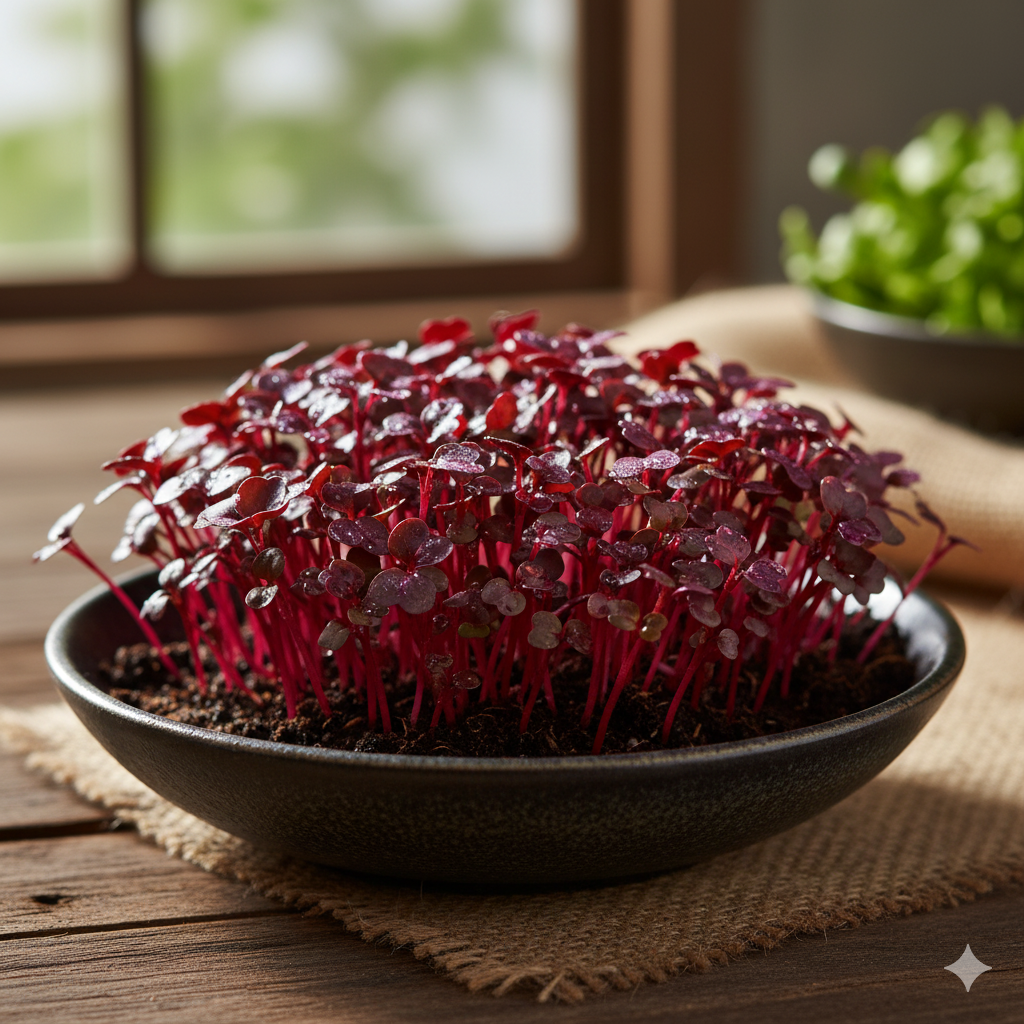
- Red cabbage microgreens: Beautiful color with powerful antioxidants
Herb Microgreens
- Basil microgreens: Anti-inflammatory properties with classic herb flavor
- Cilantro microgreens: Heavy metal detoxification and digestive support
- Parsley microgreens: High vitamin K and fresh, clean taste
- Dill microgreens: Antimicrobial properties with distinctive flavor
Legume Microgreens
- Pea shoots: Sweet flavor with high protein and vitamin C
- Sunflower microgreens: Healthy fats, protein, and vitamin E
- Radish microgreens: Spicy kick with natural antimicrobial compounds
- Mustard microgreens: Detoxification support with bold flavor
Growing Microgreens at Home: Complete Guide
Equipment and Supplies Needed
Growing microgreens at home requires minimal equipment:
- Growing trays: Shallow containers with drainage holes
- Growing medium: Organic potting soil, coconut coir, or hydroponic mats
- Seeds: High-quality, untreated organic microgreen seeds
- Spray bottle: For gentle watering without disturbing seedlings
- Light source: Natural sunlight or LED grow lights
- Scissors: Clean, sharp scissors for harvesting
Step-by-Step Growing Process
Day 1-2: Seeding
- Fill growing trays with 1-2 inches of moistened growing medium
- Sprinkle seeds evenly across surface (density varies by variety)
- Gently press seeds into medium without covering completely
- Mist surface lightly with water spray bottle
- Cover with another tray or humidity dome for blackout period
Day 3-5: Germination
- Keep seeds in dark, warm environment (65-75°F)
- Check daily and mist if surface appears dry
- Remove cover when seedlings begin emerging
- Introduce indirect light gradually
Day 6-14: Growth Phase
- Provide 12-16 hours of bright, indirect light daily
- Water from bottom by placing tray in shallow water
- Ensure adequate air circulation to prevent mold
- Monitor growth and prepare for harvest
Day 7-14: Harvest
- Cut microgreens just above soil level when first true leaves appear
- Harvest in morning for best flavor and nutrition
- Rinse gently and pat dry before storage or consumption
- Store in refrigerator in breathable container
Common Growing Tips and Troubleshooting
Preventing Mold and Disease
- Ensure proper air circulation around growing trays
- Avoid overwatering by checking soil moisture regularly
- Use sterile growing medium and clean equipment
- Maintain optimal temperature range for each variety
Maximizing Yield and Quality
- Use appropriate seed density for each variety
- Provide consistent lighting schedule during growth phase
- Harvest at optimal time for peak nutrition and flavor
- Start new plantings every few days for continuous harvest

Culinary Applications and Recipe Ideas
Basic Preparation and Storage
Proper handling ensures maximum freshness and safety:
- Washing: Rinse gently in cool water just before use
- Drying: Pat dry with paper towels or use salad spinner
- Storage: Keep in refrigerator in breathable containers
- Shelf life: Use within 5-7 days for best quality
Creative Recipe Applications
Breakfast Enhancements
- Smoothie bowls topped with colorful microgreen mix
- Avocado toast garnished with pea shoots and radish microgreens
- Scrambled eggs with herb microgreens folded in
- Greek yogurt parfaits with sunflower microgreens for crunch
Lunch and Dinner Ideas
- Gourmet salads featuring diverse microgreen varieties
- Sandwich and wrap fillings for added nutrition and flavor
- Soup garnishes that add color and fresh taste
- Pizza toppings applied after baking for fresh contrast
Snack and Appetizer Options
- Microgreen pesto made with basil and arugula varieties
- Canapés topped with cream cheese and colorful microgreens
- Vegetable spring rolls with fresh microgreen filling
- Hummus plates garnished with spicy microgreen varieties
Commercial Opportunities in Microgreen Production
Market Demand and Pricing
The microgreen market has experienced explosive growth, with increasing demand from:
- Restaurants: High-end establishments seeking fresh, local ingredients
- Farmers markets: Direct-to-consumer sales with premium pricing
- Grocery stores: Specialty produce sections featuring local growers
- Meal kit services: Companies seeking convenient, nutritious ingredients
Business Considerations for Growers
Starting a microgreen business requires careful planning:
Initial Investment
- Growing equipment and infrastructure setup
- Seed inventory and ongoing supply costs
- Packaging and labeling materials
- Marketing and certification expenses
Production Planning
- Crop rotation schedules for continuous harvest
- Variety selection based on market demand
- Quality control and food safety protocols
- Packaging and distribution logistics
Marketing Strategies
- Building relationships with local chefs and restaurants
- Developing farmers market presence and customer base
- Creating online sales channels and social media presence
- Obtaining organic certification and food safety credentials
Nutritional Comparison: Microgreens vs. Mature Vegetables
Research consistently demonstrates the superior nutritional density of microgreens compared to their mature counterparts. A comprehensive study published in the Journal of Agricultural and Food Chemistry analyzed 25 different microgreen varieties and found remarkable concentrations of vitamins and antioxidants.
Vitamin Content Comparison (per 100g serving)
- Red cabbage microgreens: 260mg Vitamin C vs. 57mg in mature cabbage
- Cilantro microgreens: 513mg Vitamin K vs. 310mg in mature cilantro
- Garnet amaranth microgreens: 4.1mg Vitamin E vs. 1.2mg in mature leaves
Antioxidant Activity
Microgreens show significantly higher antioxidant activity, with some varieties containing up to 40 times more beneficial compounds than mature plants. This concentrated nutrition means smaller serving sizes provide maximum health benefits.
Future of Microgreens: Trends and Innovations
Technological Advances in Production
Modern microgreen cultivation incorporates cutting-edge technology:
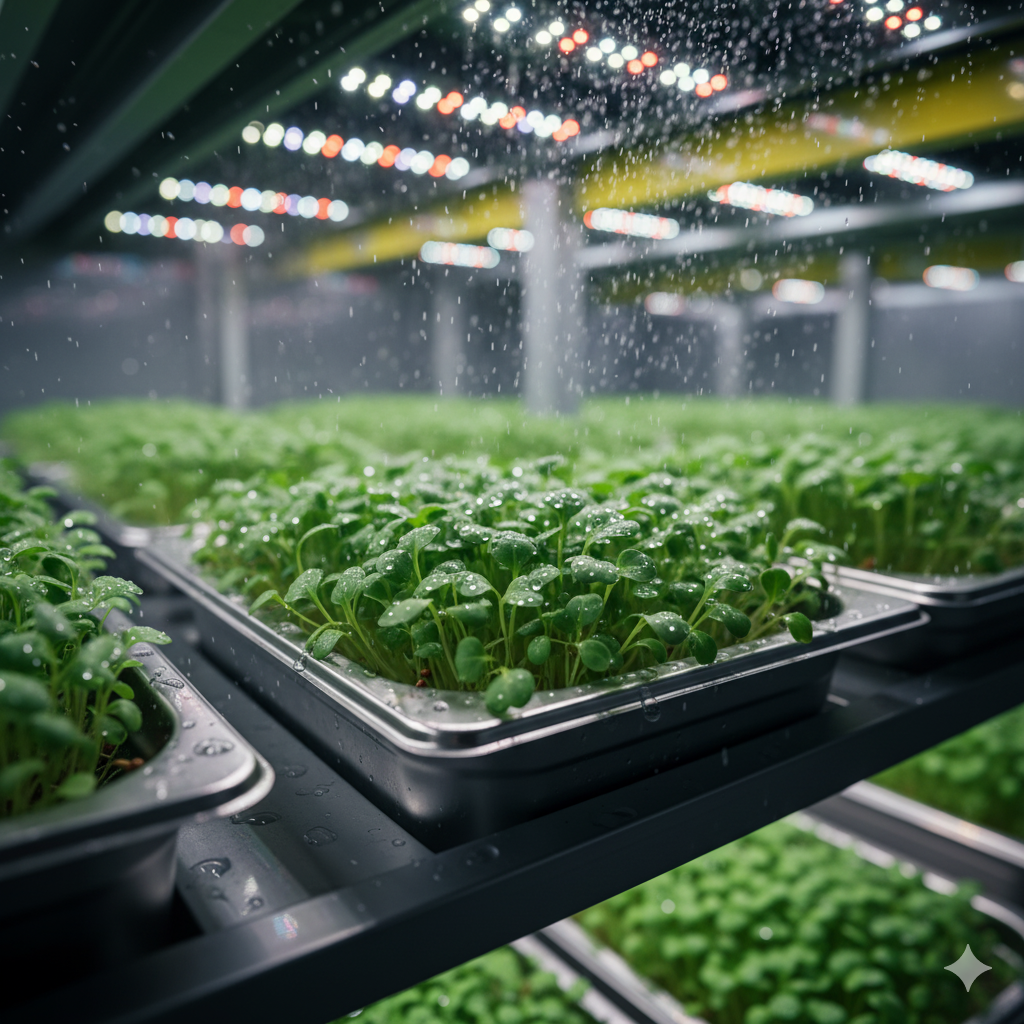
- LED lighting systems: Optimized light spectrums for maximum growth and nutrition
- Hydroponic systems: Soilless growing methods for cleaner production
- Automated seeding: Precision planting for consistent results
- Climate control: Optimal growing environments year-round
Sustainability and Environmental Benefits
Microgreens offer significant environmental advantages:
- Water efficiency: Require 90% less water than traditional agriculture
- Space optimization: Vertical growing systems maximize production per square foot
- Reduced transportation: Local production minimizes carbon footprint
- Minimal waste: Entire plant except roots is consumed
Research and Development
Ongoing research continues to unlock microgreen potential:
- Biofortification: Enhancing specific nutrients through growing techniques
- New varieties: Developing microgreen versions of additional plant species
- Functional foods: Creating microgreen products with targeted health benefits
- Shelf life extension: Improving post-harvest handling and storage methods
Ready to Transform Your Health with Microgreens?
Whether you’re looking to enhance your nutrition, start a growing hobby, or explore business opportunities, microgreens offer incredible potential for improving health and culinary experiences. Start your microgreen journey today by trying different varieties, experimenting with growing techniques, and discovering the amazing flavors and benefits these nutritional powerhouses provide.
