

Do water bottle cap colours (white, black, green, blue) indicate types like alkaline, mineral or flavoured? Social media claims yes, but experts clarify it’s mostly marketing, not regulated standards—always check labels for ISI/FSSAI certification instead of relying on cap colour alone.
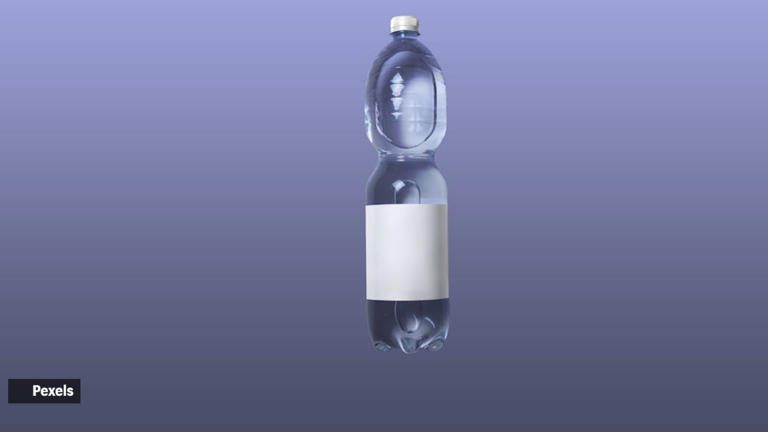
Common Cap Colours & What They Usually Mean
Manufacturers often use colours for branding/product differentiation:
| Cap Colour | Typical Water Type | Key Claim |
|---|---|---|
| Black | Alkaline (high pH) | Reduces body acidity |
| Blue | Spring water | Natural minerals |
| White | Processed/filtered | Clean, basic hydration |
| Green | Flavoured water | Added taste variety |
| Clear | Natural spring/distilled | Mineral-free purity |
| Red | Electrolyte-enhanced | Post-workout recovery |
| Yellow/Golden | Vitamin-enriched | Nutrition boost |
Expert note (Dr Aniket Mule, KIMS Hospitals): No medical/regulatory colour codes—verify via label.
Medical Reality: Clean Water > Fancy Claims
Dr Mule emphasises:
- Priority: Safe, ISI/FSSAI-certified water regardless of type.
- Limited science: Alkaline/vitamin claims lack strong evidence for healthy people.
- Specific needs: Athletes (electrolytes), deficiencies (minerals)—consult doctor.
Regular filtered/spring suffices for daily hydration.
What To Check On Every Bottle (Not Just Cap)
Ignore cap myths—scan labels for:
| Essential | Why It Matters |
|---|---|
| ISI/FSSAI mark | Quality/safety certification |
| Expiry date | Freshness guarantee |
| Storage conditions | Avoid heat/light damage |
| Source/TDS | Mineral content transparency |

Verdict: Marketing Tool, Not Health Guide
Cap colours = branding shorthand (alkaline=premium black, basic=white).
Smart buy: Clean water > coloured cap. Kidney issues? Doctor first.
