

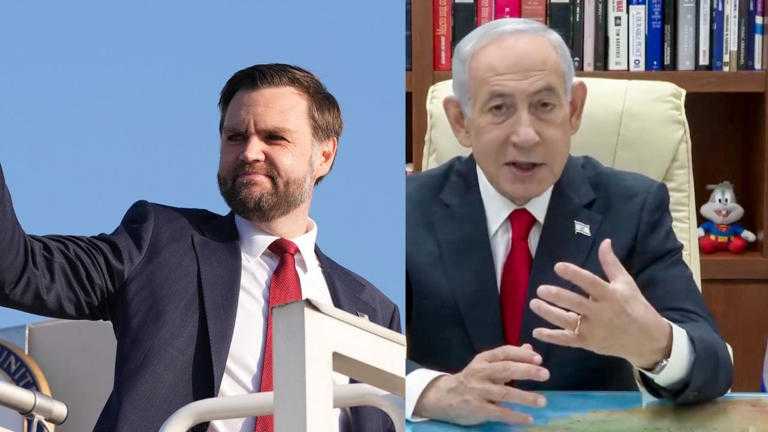
High-level peace talks between the United States and Iran in Islamabad (Pakistan) were seen as a major opportunity to end the ongoing conflict—but they collapsed after 21 hours of intense negotiations.
What Was Happening in Islamabad?
- First major direct talks since 1979
- Led by US Vice President JD Vance and top Iranian leaders
- Mediated by Pakistan
- Goal:
- Stop war
- Reopen Strait of Hormuz
- Resolve nuclear tensions
Both sides were reportedly close to some agreement.
The Netanyahu Call — Turning Point
According to multiple reports:
- Israeli PM Benjamin Netanyahu made a phone call to JD Vance during the talks
- This call changed the US position and tone
- Iran claims it shifted focus toward Israel’s security concerns
Result:
- US stance became more rigid
- Talks lost momentum
Why Did Talks Collapse?
Main reasons:
1. Nuclear Program Dispute
- US demanded Iran stop nuclear ambitions
- Iran refused
2. Strait of Hormuz Control
- Iran wanted control and leverage
- US wanted free global access
3. Netanyahu Influence
- Call reportedly hardened US negotiation stance
4. Deep Mistrust
- Decades of conflict made compromise difficult
What Experts Say
- Talks were “inches away” from progress but failed
- External influence (like Israel) can heavily impact diplomacy
- Even after failure, future talks are still possible
Big Impact
- Ceasefire now at risk
- Tensions in Middle East remain high
- Global oil supply (via Hormuz) still uncertain
Final Summary
Peace talks happened in Islamabad
Both sides negotiated for 21 hours
No deal was reached
Netanyahu’s call reportedly shifted US stance and derailed progress
The situation remains fragile and evolving
