
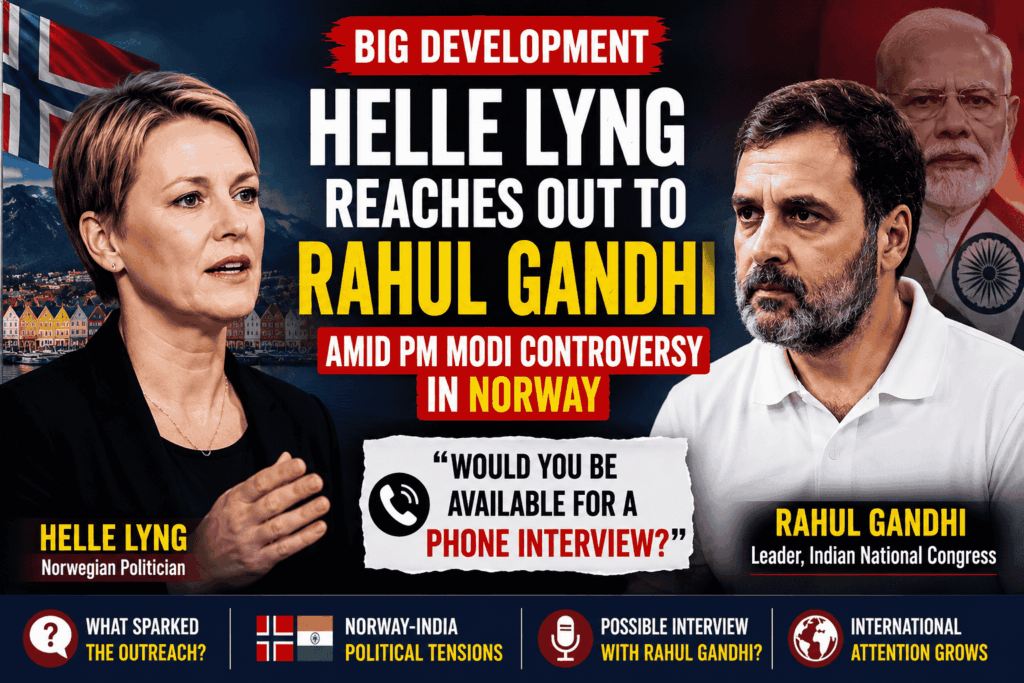
In the midst of escalating tensions surrounding Prime Minister Narendra Modi’s recent controversy in Norway, Norwegian journalist Helle Lyng has taken the initiative to reach out to prominent Indian politician Rahul Gandhi. Her request for a phone interview raises significant questions about the intersection of international diplomacy and political dialogue in light of the ongoing situation. As both leaders represent contrasting political ideologies and perspectives, this outreach not only emphasizes the urgency of addressing the controversy but also highlights the potential for meaningful discussions that could impact Indo-Norwegian relations.
Background of the PM Modi Controversy in Norway
Overview of the Controversy
The PM Modi controversy in Norway revolves around a recent diplomatic incident that sparked widespread debate. Allegations emerged regarding remarks made by PM Modi while attending an international summit, which some interpreted as undermining democratic values. Critics argue that his comments reflect a concerning trend in governance, igniting discussions on human rights and political freedom.
Key Players Involved
The main players in this controversy include PM Narendra Modi, whose policies and comments have come under scrutiny, and Helle Lyng, a Norwegian politician keen on addressing these issues. Additionally, Rahul Gandhi, leader of the Indian National Congress, is invoked due to his contrasting political stance. Various international bodies and human rights organizations are also observing the situation, adding layers to the debate.
Impact on International Relations
The fallout from the controversy has led to a ripple effect in international relations, particularly between India and Norway. Diplomatic dialogues may be strained as Norway reassesses its stance toward India’s governance. The situation raises concerns about how leaders from different democracies can navigate differing values while maintaining strategic partnerships.
Helle Lyng’s Role and Perspective
Profile of Helle Lyng
Helle Lyng is a notable voice in Norwegian politics, known for her advocacy on human rights and democratic integrity. With a reputation for being outspoken, she has consistently championed issues that resonate with progressive ideals. Lyng’s political journey showcases her commitment to fostering dialogue on international concerns, particularly those related to governance.
Her Stance on the Controversy
Lyng has taken a clear stance against the actions of PM Modi, expressing her concern over the implications of his remarks. She emphasizes the importance of holding leaders accountable for their statements and advocating for democratic principles worldwide. Her position reflects a call for a more principled approach to diplomacy that prioritizes values over mere political expediency.
Previous Engagements in Political Issues
Throughout her career, Helle Lyng has been involved in various political issues that intersect with global governance. She has rallied support for initiatives aimed at promoting human rights and has frequently engaged in discussions that critique authoritarian practices. Her history of addressing pressing political matters underscores her commitment to fostering democratic discourse.
The Significance of Reaching Out to Rahul Gandhi
Rahul Gandhi’s Political Influence
Rahul Gandhi is a significant figure in Indian politics, with a lineage that carries both weight and scrutiny. As the leader of the Indian National Congress, his political influence extends beyond party lines, making him a noteworthy opponent to PM Modi’s ruling Bharatiya Janata Party (BJP). Gandhi’s perspectives on governance and democracy resonate with many who seek alternatives to the current political status quo.
Historical Context of Their Relationship
The relationship between Helle Lyng and Rahul Gandhi is rooted in their shared commitment to democratic values, though they operate within different political landscapes. While they have not collaborated extensively in the past, this outreach marks a significant opportunity for dialogue focused on mutual concerns regarding governance, civil liberties, and international cooperation.
Reasons for the Outreach
Lyng’s decision to reach out to Gandhi stems from a desire to amplify voices that challenge authoritarianism. By engaging with Gandhi, she aims to build a coalition of leaders who advocate for democratic accountability. This outreach signifies a strategic move to strengthen the dialogue on international diplomacy and human rights, aligning with her political beliefs and those of many concerned citizens.
Context of the Phone Interview Request
Details of the Interview Proposal
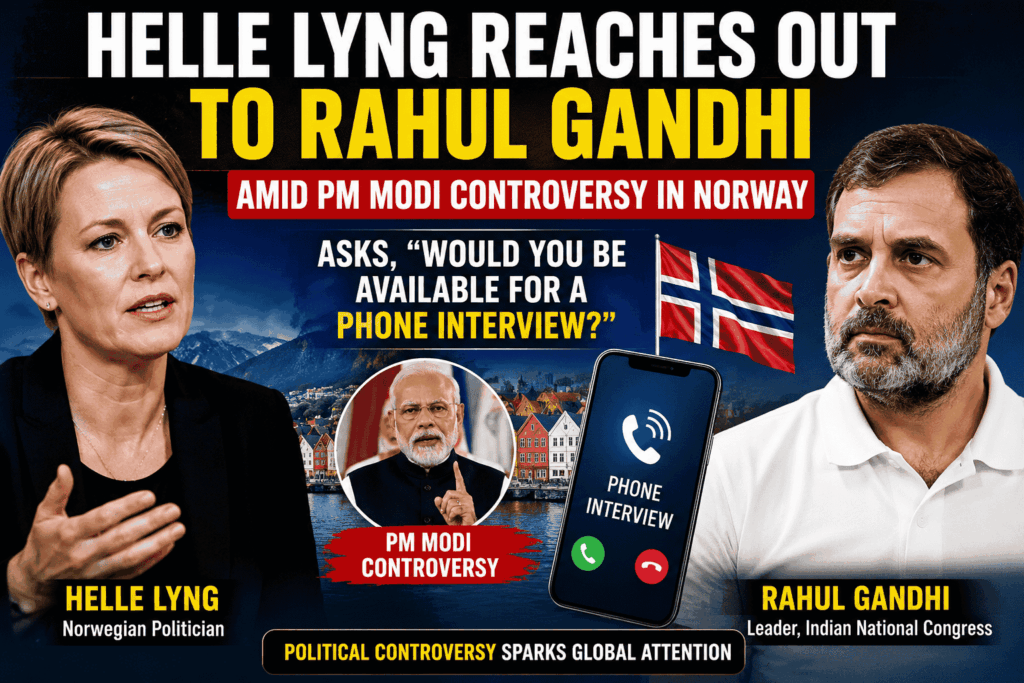
In her request for a phone interview, Helle Lyng is looking to discuss the implications of the PM Modi controversy and Rahul Gandhi’s views on the matter. The proposal includes a focus on how leaders can effectively address the challenges posed by authoritarianism in contemporary politics, fostering an open and critical dialogue.
Potential Topics of Discussion
The interview could cover a range of topics, including the role of international leaders in promoting democracy, the impact of governance on human rights, and strategies for effective political opposition. Additionally, they may explore collaborative efforts that could emerge from their shared concerns, paving the way for constructive political discourse.
Timing and Urgency of Request
The urgency of Lyng’s request is underscored by the rapidly evolving nature of the controversy. As discussions on democratic values gain momentum, she aims to engage with Gandhi while the issue is still prominent. This timely outreach reflects both the immediate need for dialogue and the potential for creating a united front against rising authoritarian sentiments.
Reactions from Political Circles
Responses from Indian Politicians
The political landscape in India reacted as expected to Helle Lyng’s outreach to Rahul Gandhi. Some politicians cheered the initiative as a bridge-building effort, while others criticized it as a distraction from pressing domestic issues. The mixed bag of reactions highlights the polarized nature of Indian politics, where every gesture is scrutinized through a partisan lens.
Reactions from Norwegian Officials
In Norway, officials expressed cautious optimism about the communication between Lyng and Gandhi. They emphasized the importance of dialogue in resolving controversies and fostering understanding. However, some officials were quick to clarify that the Norwegian government’s position remains neutral, and any conversation should focus on constructive discourse rather than political theatrics.
Public Perception and Media Coverage
Media coverage has been extensive, reflecting a growing curiosity among the public regarding the implications of this political dance. Social media is ablaze with memes and opinions, showcasing a blend of skepticism and hope. Many citizens wonder if this outreach signifies a potential thaw in relations or simply a new episode in political drama. The narrative seems to oscillate between genuine interest in diplomatic relations and a healthy dose of cynicism.
Implications for Indo-Norwegian Relations
Historical Ties Between India and Norway
India and Norway have enjoyed diplomatic relations for over seven decades, grounded in shared values like democracy and human rights. However, the contemporary atmosphere is one of cautious engagement, with each country seeking to address pressing global issues while navigating their own domestic challenges. The historical ties might serve as a backdrop for renewed collaboration, or they may turn into nostalgic footnotes if mistrust prevails.
Possible Diplomatic Outcomes
The outcome of this outreach could range from a simplistic phone call to a broader dialogue that paves the way for joint initiatives. If successful, it may lead to enhanced cooperation in areas like technology, renewable energy, and trade. Conversely, if the conversation fails to materialize or descends into political bickering, it might set back the already fragile relationship, making it harder for both nations to collaborate effectively.
Future Collaborations and Challenges
Looking ahead, there are opportunities for tackling climate change, promoting sustainable practices, and fostering cultural exchanges. However, the road is fraught with challenges, including differing political agendas and public sentiment. Both countries must navigate these waters carefully, or risk letting valuable opportunities go to waste, much like that cake you promised to share but then forgot about at the party.
Future Prospects and Next Steps
Anticipated Responses from Rahul Gandhi
Rahul Gandhi’s response will be crucial in shaping the narrative. If he accepts the invitation, it could signal a willingness to engage positively on international platforms. However, if he declines, citing domestic priorities, it could further polarize the situation and raise questions about the sincerity of political collaboration. Either way, the spotlight is firmly on him.
Next Moves for Helle Lyng
Helle Lyng will likely prepare for multiple scenarios. Depending on Gandhi’s response, she may need to recalibrate her diplomatic strategy, perhaps even engaging with other Indian leaders to maintain momentum. Her next moves could also involve reaching out to the media to shape the narrative in favor of fruitful discussions, assuming that’s not just a daydream during a coffee break.
Broader Implications for Political Discourse
This incident could set a precedent for how political figures tackle international controversies. It may encourage more politicians to step outside their national boundaries and engage in meaningful dialogues. Alternatively, it could underscore the risks of becoming ensnared in political dogfights, reminding leaders that the world is watching and judging, sometimes quite harshly.
Conclusion and Takeaways
Summary of Key Points
Helle Lyng’s outreach to Rahul Gandhi amid the PM Modi controversy has stirred a whirlwind of reactions from politicians, officials, and the public alike. With a backdrop of historical ties between India and Norway, the implications of this communication extend far beyond a simple phone call, encompassing potential collaborations and diplomatic outcomes.
Final Thoughts on the Controversy
While the controversy may seem like a political soap opera, it carries weight in real-world implications and potential advancements in Indo-Norwegian relations. The overarching question remains whether this maneuver will lead to meaningful dialogue or simply serve as a fleeting moment in political theater.
Potential for Future Engagements
Regardless of the outcome, this situation illustrates the importance of engagement in a global context. As political leaders navigate personal and national interests, there continues to be a genuine need for open dialogue that fosters better understanding and collaborative efforts. With the right approach, who knows? This drama could evolve into a heartwarming story of international diplomacy.As the situation surrounding PM Modi continues to unfold, Helle Lyng’s outreach to Rahul Gandhi could pave the way for important conversations that may influence public perception and diplomatic relations between India and Norway. By engaging with diverse political voices, there is an opportunity to foster understanding and address the complexities of international issues. The response from Gandhi and the ensuing dialogue will be crucial in shaping the narrative moving forward, underscoring the importance of collaboration in today’s interconnected world.
FAQ
What is the controversy involving PM Modi in Norway?
The controversy involves criticisms and discussions surrounding PM Modi’s policies and actions that have sparked debate in Norway, affecting diplomatic relations and public opinion.
Why is Helle Lyng reaching out to Rahul Gandhi?
Helle Lyng is reaching out to Rahul Gandhi to gain insight and perspective on the controversy, as he represents a significant political voice in India, contrasting with Modi’s leadership.
What are the potential implications of the phone interview?
The phone interview could provide a platform for discussing diverse viewpoints, potentially influencing public perception and diplomatic relations between India and Norway.
How might this outreach affect Indo-Norwegian relations?
Engaging with different political perspectives could foster dialogue and understanding, potentially helping to address tensions and strengthen diplomatic ties between the two countries.
