

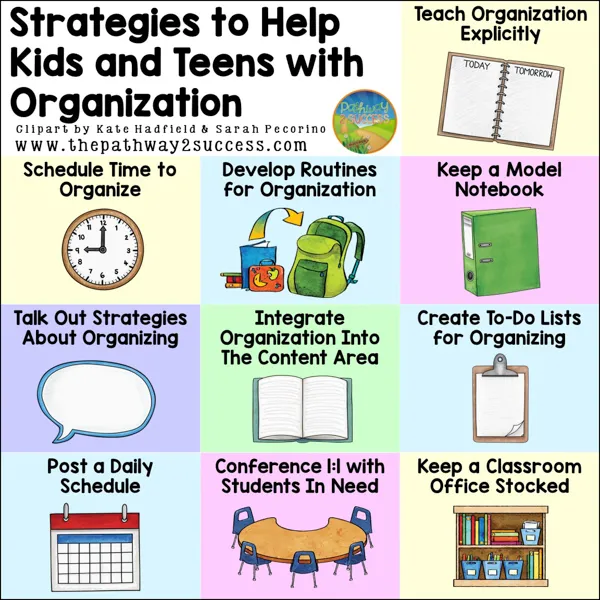
Why Staying Organized Matters
Life can become stressful when your schedule is packed, your workspace is cluttered, or you constantly forget important tasks. Staying organized isn’t about being perfect—it’s about creating simple habits that help you manage your time, reduce stress, and achieve your goals more efficiently.
Whether you’re a student, a working professional, a business owner, or someone managing a busy household, staying organized can improve productivity and give you more control over your daily life.
Let’s explore practical ways to stay organized without making life complicated.
Start Every Day with a Plan
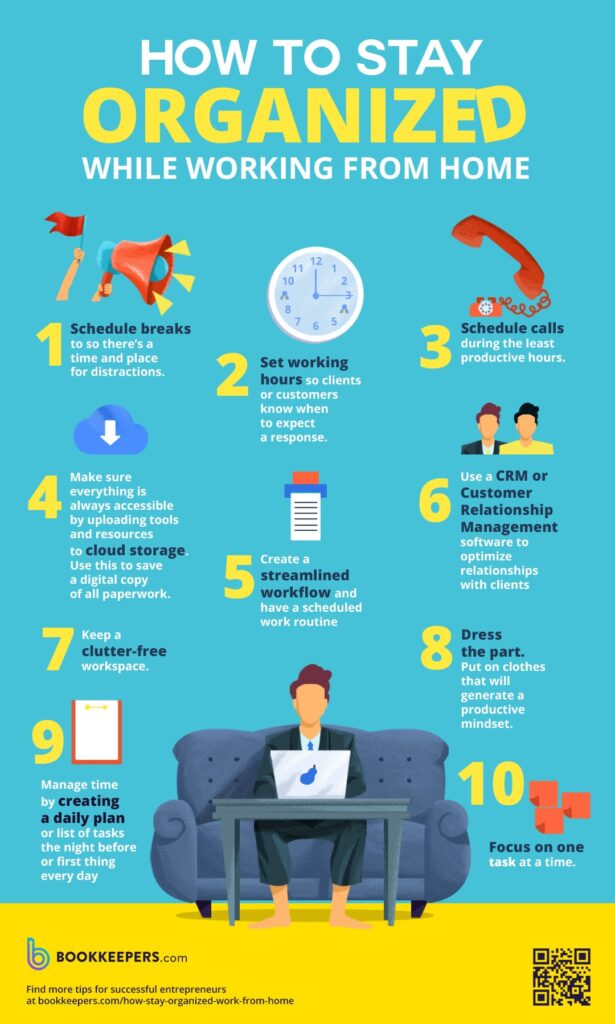
One of the easiest ways to stay organized is to plan your day before it begins.
Take 5–10 minutes every morning to:
- Write down your top priorities
- Schedule important meetings or appointments
- Set realistic goals for the day
A simple to-do list can help you stay focused and avoid feeling overwhelmed.
Prioritize Important Tasks
Not every task has the same level of importance.
Try dividing your work into categories:
- High Priority – Must be completed today
- Medium Priority – Important but can wait
- Low Priority – Optional or less urgent
This helps you focus on what truly matters instead of getting distracted by smaller tasks.
Use Digital Tools
Technology makes organization easier than ever.
Popular tools include:
- Google Calendar
- Microsoft To Do
- Notion
- Trello
- Todoist
These apps can help you manage schedules, reminders, projects, and daily tasks from one place.
Keep Your Workspace Clean
A cluttered desk often leads to a cluttered mind.
Spend a few minutes each day:
- Organizing papers
- Putting items back in place
- Cleaning your workspace
- Removing unnecessary clutter
A clean environment helps improve concentration and productivity.
Organize Digital Files
Digital clutter can be just as frustrating as physical clutter.
Create folders for:
- Work documents
- Personal files
- Photos
- Bills
- Important certificates
Use clear file names so you can quickly find what you need.
Follow a Weekly Routine
Planning your week in advance can save time and reduce last-minute stress.
Schedule time for:
- Work
- Exercise
- Family
- Shopping
- Personal goals
- Relaxation
Having a routine creates consistency and helps you stay on track.
Focus on One Task at a Time
Multitasking often reduces productivity.
Instead:
- Complete one task before moving to the next
- Avoid unnecessary distractions
- Turn off notifications during focused work sessions
Single-tasking often leads to better results.
Reduce Distractions
Social media and constant notifications can interrupt your workflow.
Try these tips:
- Keep your phone away during important work
- Set specific times for checking messages
- Use “Do Not Disturb” mode when needed
Small changes can make a big difference.
Review Your Progress Daily
At the end of each day, ask yourself:
- What did I complete?
- What still needs attention?
- What can I improve tomorrow?
A short daily review helps you stay organized and continuously improve your routine.
Build Healthy Habits
Organization isn’t just about managing tasks—it also includes taking care of yourself.
Remember to:
- Sleep well
- Exercise regularly
- Eat healthy meals
- Stay hydrated
- Take short breaks during work
Good physical and mental health improve focus and productivity.
Common Mistakes to Avoid
Many people struggle with organization because they:
- Try to do everything at once
- Keep unnecessary items
- Ignore deadlines
- Delay important work
- Overcommit themselves
Recognizing these habits is the first step toward better organization.
Benefits of Staying Organized
Developing organized habits can help you:
- Reduce stress
- Save time
- Improve productivity
- Meet deadlines
- Increase confidence
- Achieve personal and professional goals
- Maintain a better work-life balance
Even small improvements in organization can have a lasting impact.
Final Thoughts
Staying organized doesn’t require expensive tools or complicated systems. It starts with small, consistent habits like planning your day, keeping your space tidy, prioritizing important tasks, and reviewing your progress regularly.
The goal isn’t perfection—it’s creating a lifestyle that helps you work smarter, feel less stressed, and enjoy more time for the things that matter most. Start with one habit today, and you’ll soon notice how much easier and more productive your life becomes.
