
Feeling Stressed? You’re Not Alone
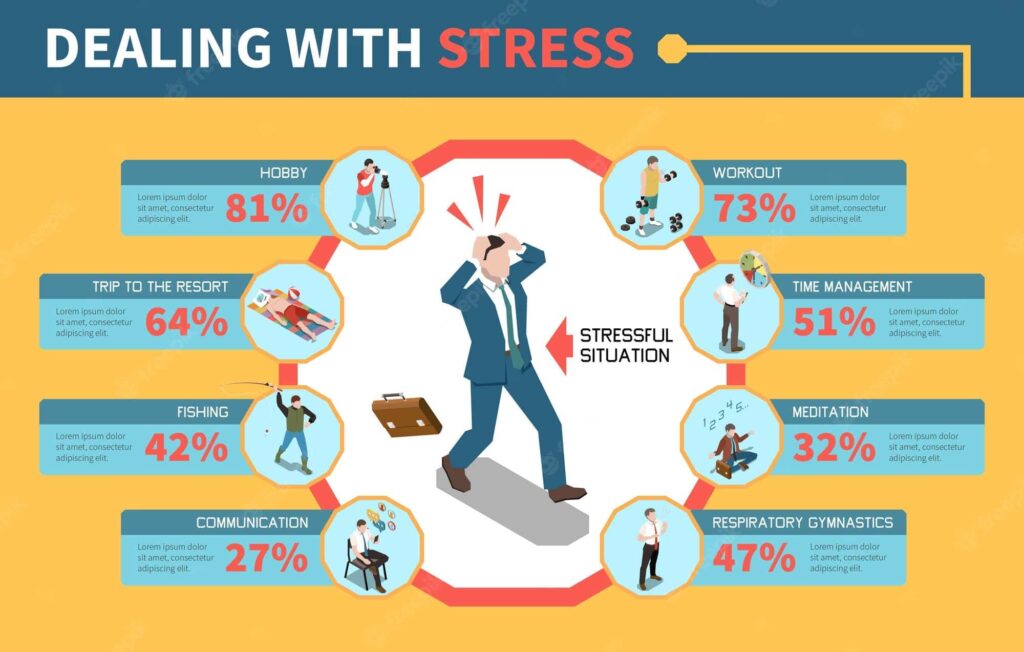
Stress has become a common part of modern life. Whether it’s work pressure, studies, family responsibilities, financial concerns, or health issues, almost everyone experiences stress at some point.
While a small amount of stress can motivate you to perform better, too much stress can affect your physical health, mental well-being, relationships, and productivity.
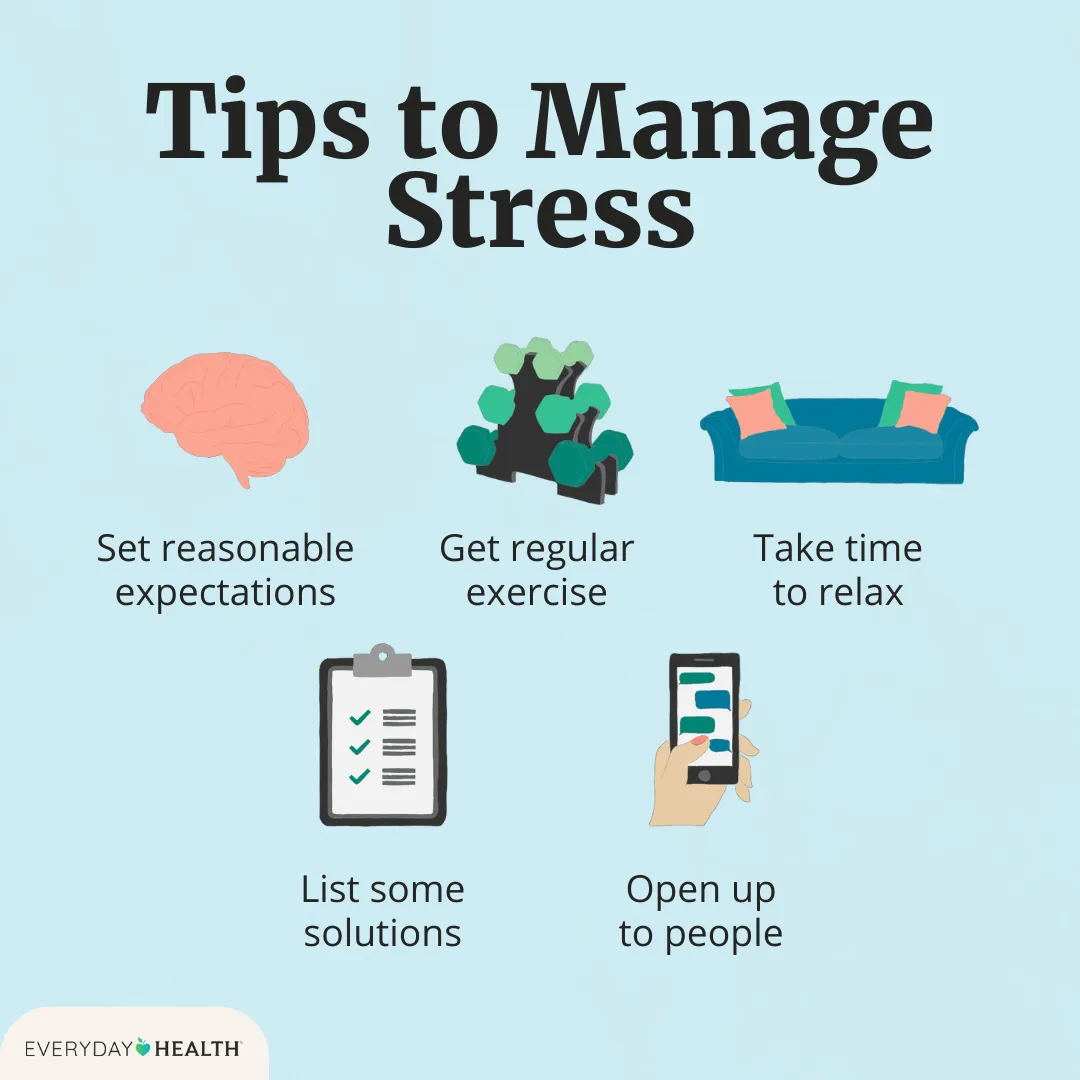
The good news is that stress can be managed. By adopting healthy daily habits and making small lifestyle changes, you can reduce stress and enjoy a happier, more balanced life.
What Is Stress?
Stress is your body’s natural response to challenges or difficult situations. It can be triggered by:
- Work deadlines
- Academic pressure
- Financial problems
- Health concerns
- Family conflicts
- Major life changes
When stress becomes constant, it can lead to anxiety, poor sleep, headaches, and other health problems.
1. Exercise Regularly
Physical activity is one of the best natural stress relievers.
Benefits include:
- Releases mood-boosting endorphins
- Improves sleep quality
- Increases energy levels
- Reduces anxiety
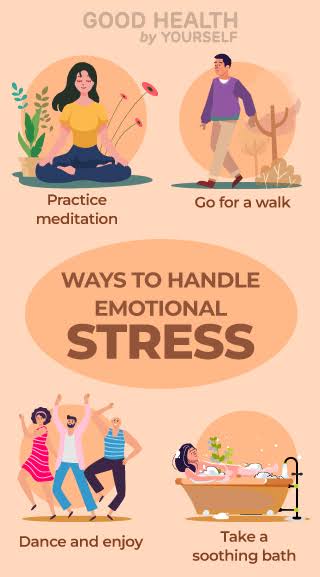
Even a 30-minute walk, yoga session, or light workout can help you feel more relaxed.
2. Practice Deep Breathing and Meditation
Taking a few minutes each day to focus on your breathing can calm your mind.
Try:
- Deep breathing exercises
- Meditation
- Mindfulness practices
- Gentle yoga
These techniques help slow your heart rate and reduce stress hormones.
3. Get Enough Sleep
Poor sleep and stress often go hand in hand.
Aim for 7–9 hours of quality sleep each night by:
- Going to bed at the same time
- Limiting screen time before sleep
- Keeping your bedroom quiet and comfortable
A well-rested mind is better equipped to handle daily challenges.
4. Eat a Healthy Diet
What you eat can affect how you feel.
Include:
- Fresh fruits and vegetables
- Whole grains
- Lean proteins
- Nuts and seeds
- Plenty of water
Try to reduce sugary snacks, excessive caffeine, and processed foods, which can sometimes make stress feel worse.
5. Stay Organized
Being organized reduces last-minute panic and helps you stay in control.
Simple habits include:
- Making a daily to-do list
- Setting realistic goals
- Prioritizing important tasks
- Avoiding procrastination
Planning ahead can make your day feel less overwhelming.
6. Limit Screen Time
Constant notifications and social media can increase stress.
Take regular breaks from:
- Smartphones
- Social media
- News updates
- Work emails
Spending some time offline allows your mind to recharge.
7. Talk to Someone You Trust
You don’t have to deal with stress alone.
Sharing your feelings with:
- Family members
- Friends
- A trusted colleague
- A counselor
can provide emotional support and help you see problems from a new perspective.
8. Make Time for Hobbies
Doing something you enjoy is a great way to relax.
Try activities like:
- Reading
- Gardening
- Painting
- Listening to music
- Cooking
- Photography
Hobbies give your mind a healthy break from daily pressures.
9. Spend Time in Nature
Nature has a calming effect on both the mind and body.
Consider:
- Walking in a park
- Hiking
- Sitting in a garden
- Watching a sunrise or sunset
Even a short time outdoors can improve your mood and reduce stress.
10. Accept What You Can’t Control
Not every situation can be changed.
Instead of worrying about things beyond your control:
- Focus on what you can do
- Practice gratitude
- Learn from challenges
- Stay positive
Acceptance can help reduce unnecessary stress
Signs That Stress May Be Affecting You
Watch for these common symptoms:
- Frequent headaches
- Trouble sleeping
- Feeling anxious or irritable
- Lack of concentration
- Constant fatigue
- Changes in appetite
If stress becomes overwhelming or lasts for a long time, consider speaking with a healthcare professional or mental health expert.
Benefits of Managing Stress
Learning to manage stress can help you:
- Improve your physical health
- Sleep better
- Think more clearly
- Build stronger relationships
- Increase productivity
- Feel happier and more confident
Small daily habits can make a big difference over time.
Final Thoughts
Stress is a natural part of life, but it doesn’t have to control your life. By exercising regularly, eating well, getting enough sleep, staying organized, and taking time to relax, you can manage stress more effectively.
Remember, it’s okay to ask for help when you need it. Taking care of your mental health is just as important as taking care of your physical health. A few positive changes today can lead to a healthier, calmer, and more fulfilling tomorrow.