
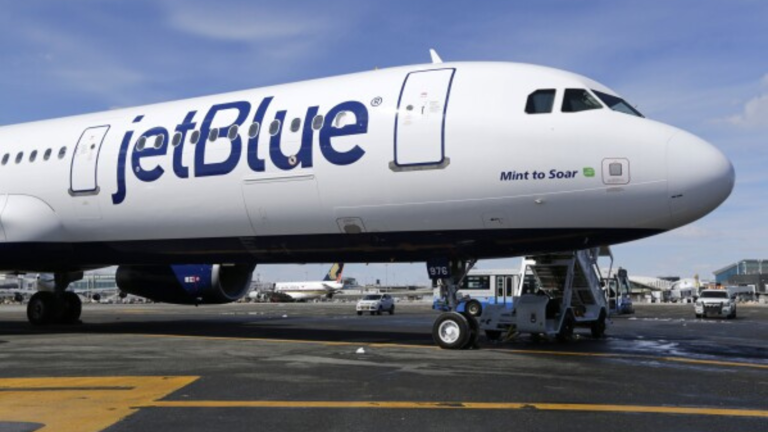
A routine JetBlue flight turned into a heart-stopping incident when the aircraft unexpectedly pitched downward mid-air at around 35,000 feet. What initially appeared to be a sudden mechanical failure ended up uncovering a deeper and more concerning pattern — a technical vulnerability affecting multiple Airbus aircraft worldwide.
The Incident in the Air
Passengers reported a sudden and violent nose-down movement, causing several onboard to panic. The drop was abrupt, not part of normal turbulence or descent protocols. Within seconds, pilots regained control and stabilized the aircraft, but the experience left flyers shaken and deeply concerned.
The Hidden Technical Glitch
Investigations revealed the issue wasn’t pilot error — nor a system-wide shutdown — but rather a software-linked glitch that impacted flight-control logic. This glitch could trigger incorrect altitude or pitch data interpretation, causing the autopilot to attempt nose-down correction even when unnecessary.
Crucially, similar occurrences have been documented globally in Airbus aircraft models that rely heavily on integrated digital sensor inputs and automation systems.
Why This Matters for Aviation Safety
The Airbus control system is built around redundancy — multiple sensors, parallel fail-safes, and intelligent software compensation. However, when sensor interpretations conflict or misalign, even high-automation systems can attempt over-correction.
This event has prompted:
- reviews of Airbus autopilot logic
- additional flight-deck monitoring recommendations
- updated pilot advisory training
- potential software recalibration efforts
Pilots Reacted Exactly as They Were Trained
When the plane dipped, the cockpit crew immediately disengaged autopilot and manually stabilized the aircraft — a textbook response. This highlights a crucial fact: despite increasing automation, human pilots remain the ultimate safety decision-makers in the sky.
Safe Landing, Serious Questions
The aircraft eventually landed safely, with no injuries reported. But the near-miss has triggered global concern in aviation circles, prompting regulators and manufacturers to re-evaluate whether digital systems are being trusted too much — and reviewed too little.
