

If you bought gold jewellery in India in the 80s, 90s, or even early 2000s, you probably remember it: the jeweller would carefully fold your chain, ring, or bangle into soft pink paper, wrap it neatly, and place it inside a small box or envelope.
Today, that pink wrapping is rare. So why did jewellery shops use it — and what changed?
Let’s break it down.
Why Pink Paper Was Used for Gold


4
It Enhanced Gold’s Shine
Pink paper created a warm contrast that made gold jewellery look richer and brighter.
- The pink background enhanced the yellow tone of gold
- It gave a “premium glow” effect
- Customers visually felt the jewellery looked more valuable
This was simple visual psychology — long before modern retail lighting.
It Was Soft & Protected the Jewellery
Gold is soft metal, especially in 22K form. The pink wrapping paper:
- Prevented scratches
- Absorbed light moisture
- Kept delicate pieces from tangling
It was a low-cost but practical protection method.
Cultural & Emotional Appeal
In India, pink and red shades are often associated with:
- Weddings
- Prosperity
- Celebration
- Auspicious occasions
Since gold purchases are deeply emotional — weddings, festivals, investments — pink paper matched the cultural vibe.
Branding Before Branding Existed
Before custom printed boxes, velvet cases, and luxury packaging, pink paper was:
- A symbolic sign of a “traditional jeweller”
- Recognizable across small-town and city stores
- A silent standard in the industry
It created familiarity and trust.
Why You Rarely See It Now
4
Rise of Branded Jewellery
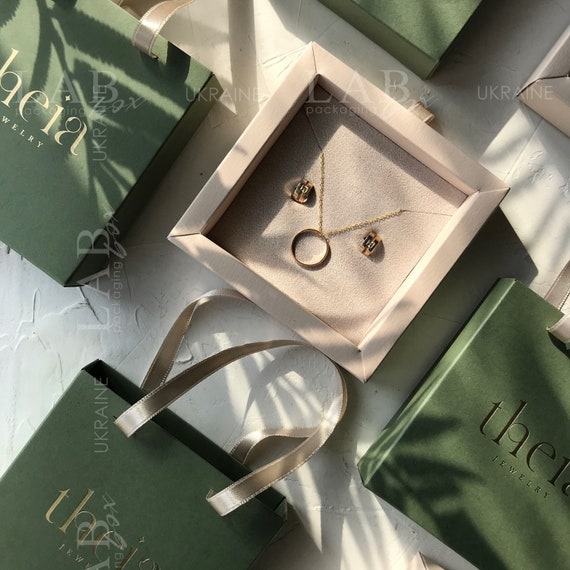
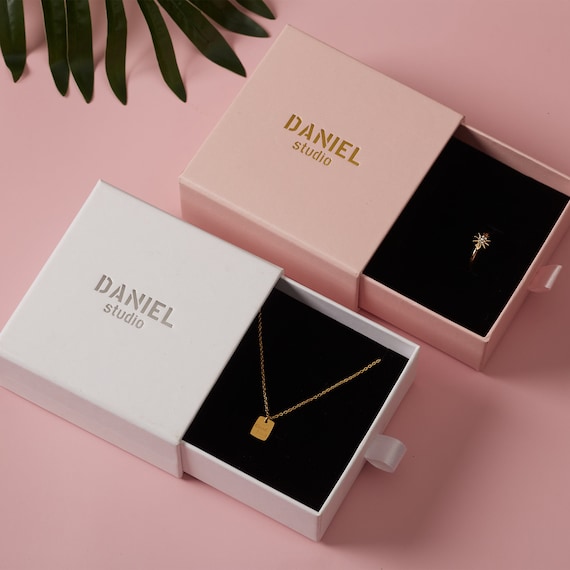
With brands like Tanishq, Malabar Gold & Diamonds, and others growing rapidly, packaging became part of brand identity.
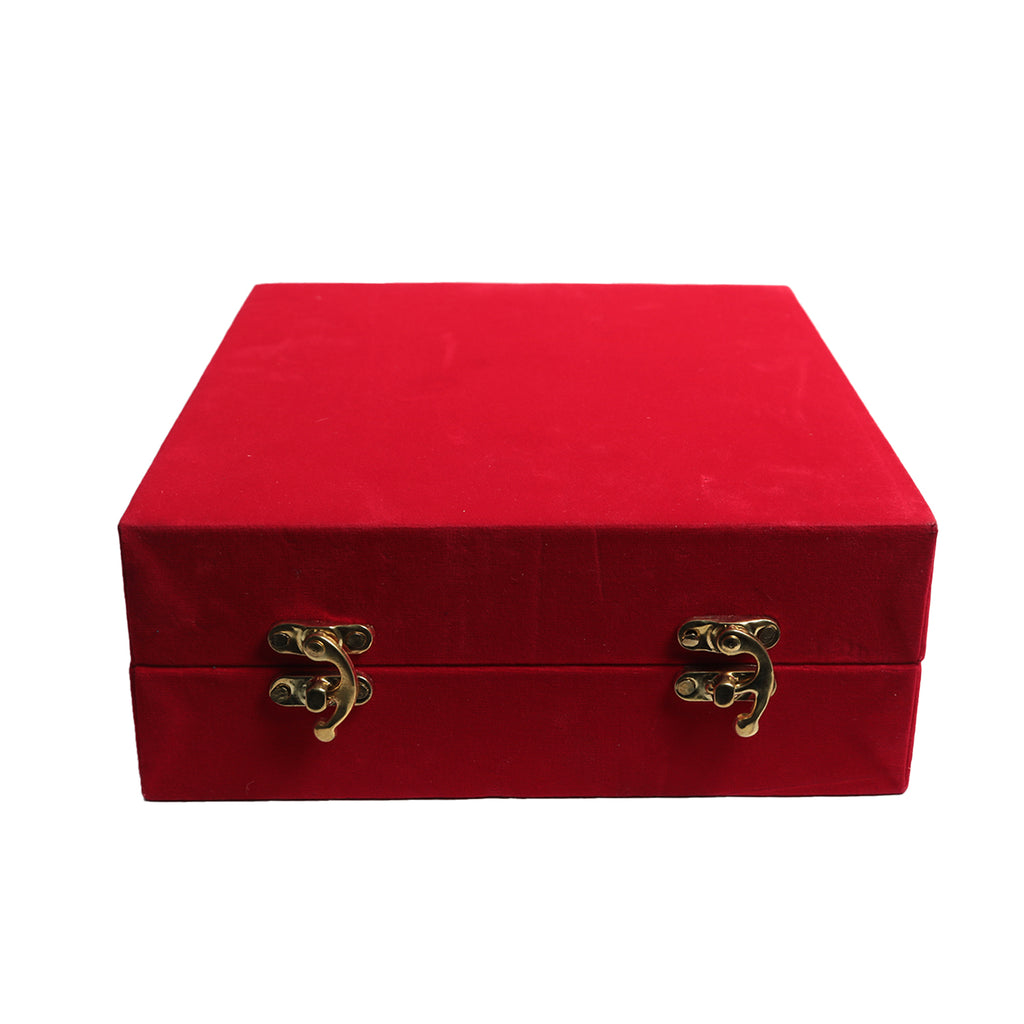
- Velvet boxes
- Magnetic lid cases
- Custom printed branding
- Premium shopping bags
The pink paper tradition faded behind brand presentation.
Better Packaging Materials
Modern jewellery packaging now includes:
- Anti-tarnish cloth
- Foam-lined boxes
- Sealed zip pouches
- Tamper-proof covers
These protect jewellery better than thin paper.
Hygiene & Modern Retail Standards
Retail became more organized and standardized. Loose paper wrapping felt:
- Less premium
- Less hygienic
- Less secure
Large showrooms adopted uniform packaging systems.
Customer Perception Changed
Today’s buyers associate premium purchase with:
- Heavy, branded box
- Sleek packaging
- Organized invoice system
- Certified seals
Simple pink wrapping no longer matches “luxury expectation.”
Is It Completely Gone?
Not entirely.
Some traditional local jewellers still use pink wrapping — especially in smaller towns — because:
- It is cost-effective
- Customers are used to it
- It continues nostalgic tradition
But overall, it’s far less common than before.
Final Thoughts
Pink paper wrapping wasn’t random — it combined psychology, protection, culture, and tradition.
It reflects how Indian jewellery retail has evolved:
From small traditional counters → to organized luxury brand showrooms.
While modern packaging may look more premium, the pink paper era still holds emotional value for many customers who grew up seeing it.
Sometimes, even a small piece of coloured paper carries decades of tradition.
