


In a case that has sparked outrage across social media, Shivam Mishra was arrested four days after a high-profile Lamborghini crash — and then granted bail within hours. The timeline of events has raised serious questions about accountability, legal speed, and whether the justice system treats everyone equally.
Let’s break down what happened, why people are angry, and what this case reveals about how law enforcement and bail procedures work in India.
What Happened in the Lamborghini Crash Case?
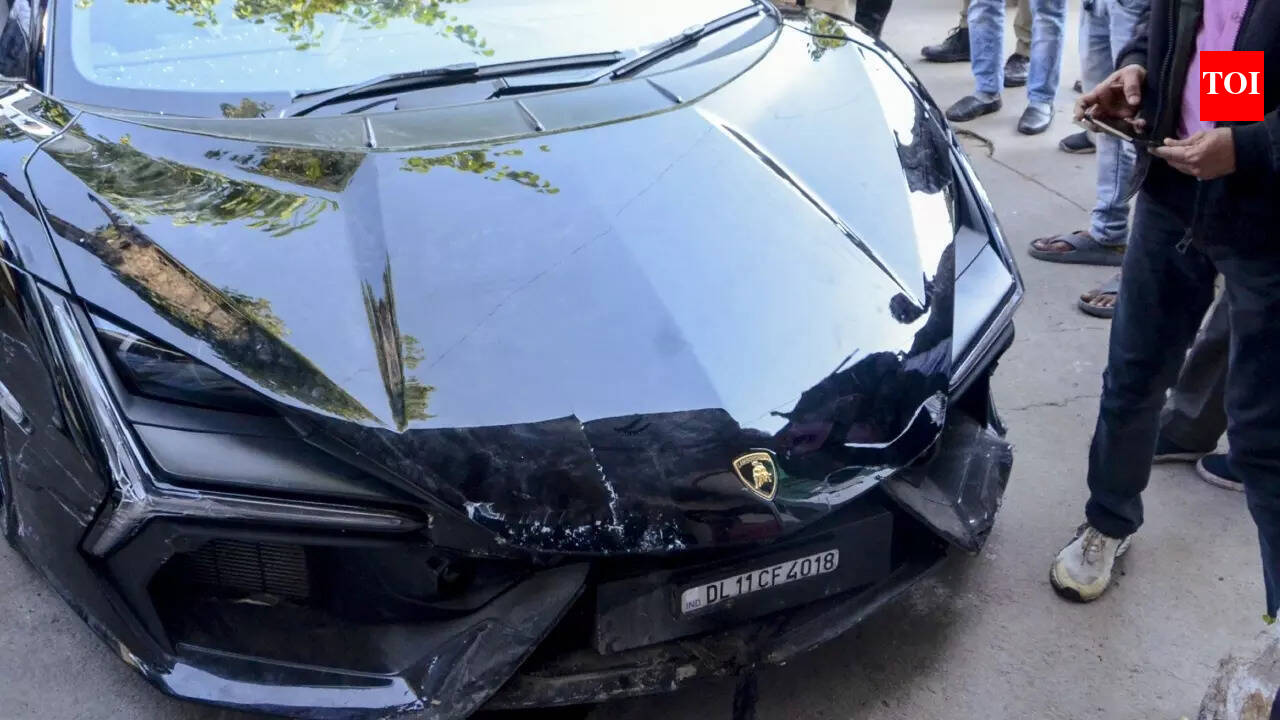
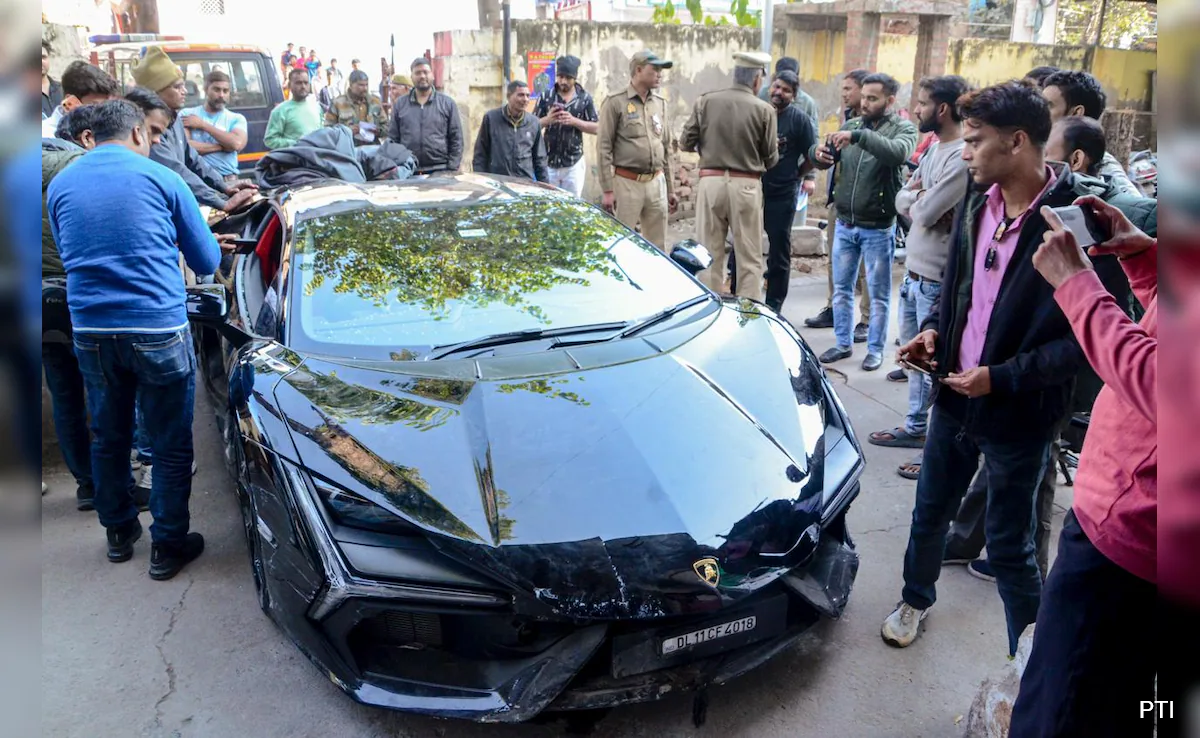
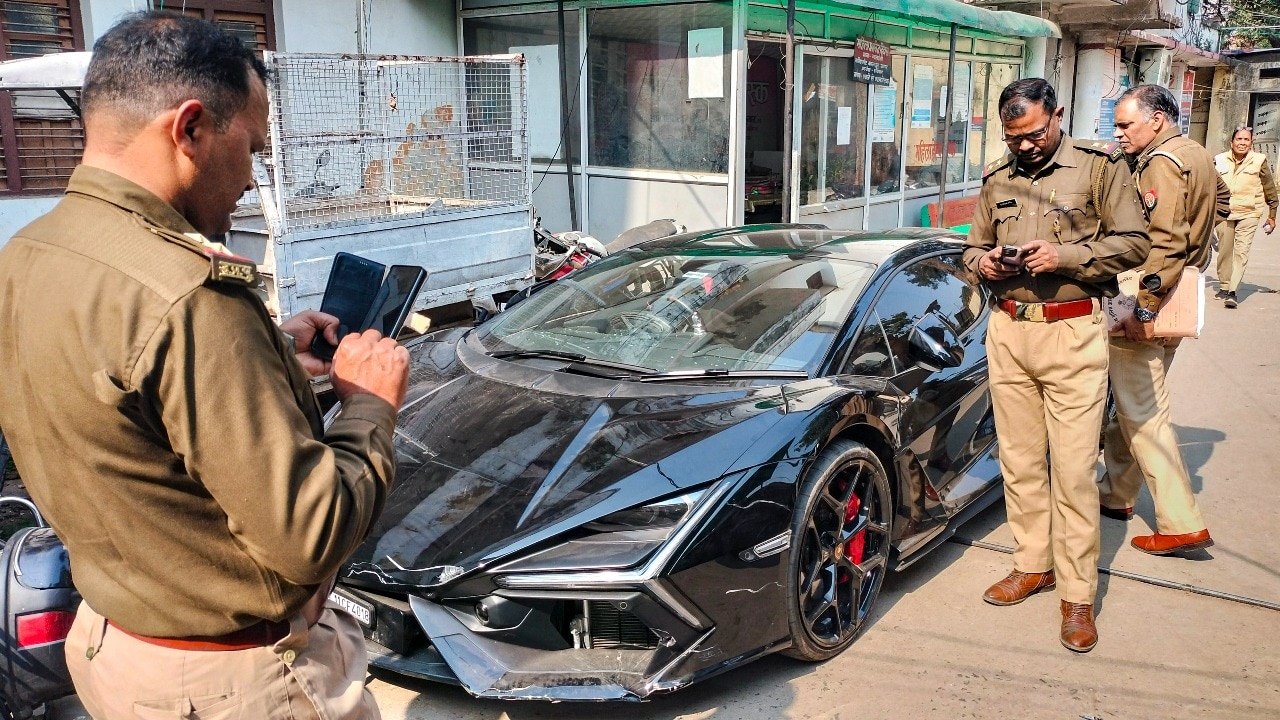
4
According to reports, the accident involved a luxury Lamborghini allegedly driven by Shivam Mishra. The crash created a scene of panic and drew immediate public attention due to:
- The high-end sports car involved
- Allegations of rash or high-speed driving
- Claims of delayed police action
- Viral social media videos and eyewitness accounts
However, the most controversial aspect of the case wasn’t just the accident — it was the timeline.
Timeline That Triggered Public Outrage
Here’s what shocked many people:
- Day 0: Lamborghini crash occurs.
- Days 1–3: No immediate arrest. Questions arise about delay.
- Day 4: Shivam Mishra is arrested.
- Same Day / Within Hours: Bail granted.
For many citizens, the key issue is simple: Why did the arrest take four days, and how was bail processed so quickly?
How Bail Works in India (Simple Explanation)
In India, bail depends on the sections filed under the Indian Penal Code (IPC) or Motor Vehicles Act.
Key Factors That Influence Bail:
- Whether the offence is bailable or non-bailable
- Severity of injuries or death involved
- Past criminal record
- Cooperation with investigation
- Evidence collected
If the charges are bailable offences, police must grant bail. If they are non-bailable, the court decides.
Sometimes what appears “fast” to the public is legally procedural. But when arrest is delayed and bail is immediate, it often creates perception of privilege or influence.
Why Public Anger Is Rising
This case highlights a growing concern in India — inequality in legal action.
Many social media users are asking:
- Would an ordinary citizen get the same treatment?
- Why delay arrest in high-profile cases?
- Why are luxury car crash cases so common?
- Is there special influence involved?
Public trust depends not just on legal action — but visible fairness.
Luxury Cars and Road Safety in India

4
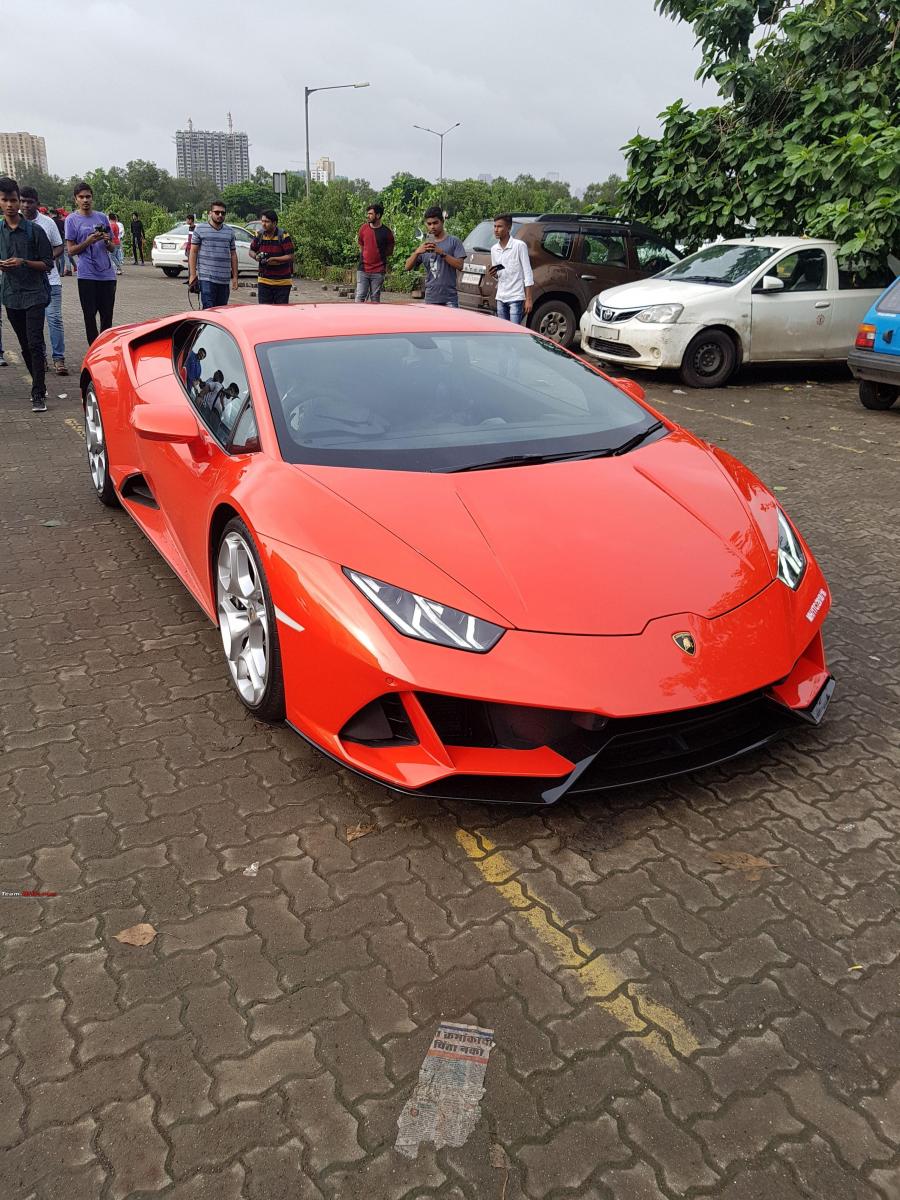
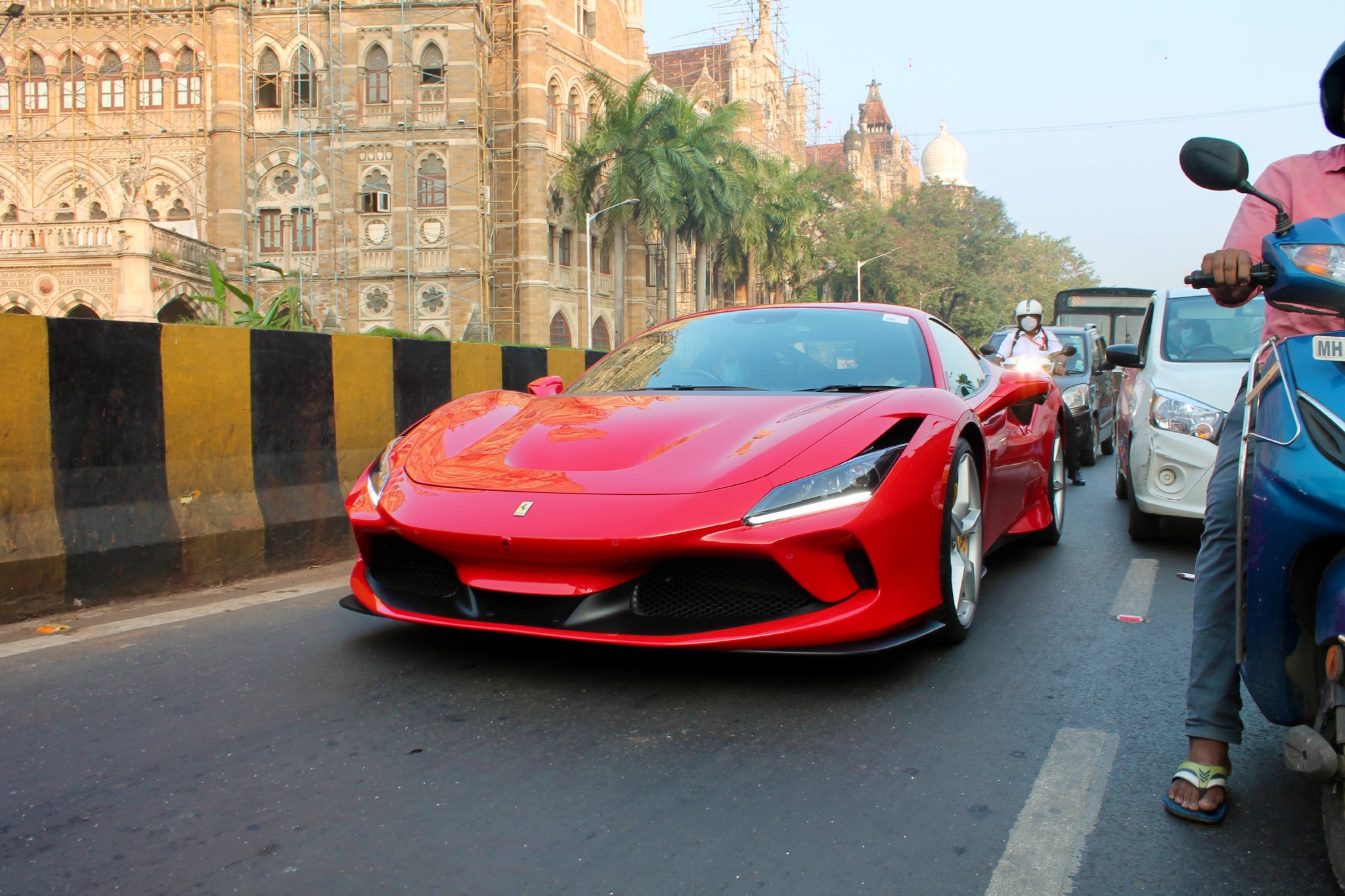
Over the past few years, India has witnessed multiple incidents involving luxury sports cars and reckless driving. While owning a premium vehicle is legal, misuse of speed power becomes dangerous.
Common issues include:
- Overspeeding in city limits
- Street racing
- Late-night rash driving
- Inexperienced drivers handling high-power vehicles
India already ranks among the countries with the highest road accident rates. Cases like this intensify demands for stricter enforcement.
Legal vs. Moral Accountability
There are two sides to this debate:
Legal View:
If police followed procedure and the charges allowed bail, the system technically worked within framework.
Moral View:
Delay in arrest followed by rapid bail creates perception of influence and privilege.
In high-visibility cases, perception matters almost as much as facts.
Bigger Question: Is the System Biased?
Cases involving luxury vehicles, influencers, or wealthy individuals often trend quickly. Whether justified or not, public perception is that money and power speed up processes.
The real challenge is transparency:
- Clear police statements
- Quick FIR details
- Publicly available charges
- Equal legal treatment
What Happens Next?
In most such cases:
- Investigation continues
- Chargesheet is filed
- Court hearings proceed
- Final verdict may take months or years
Bail does not mean innocence. It simply allows the accused to remain out of custody during investigation.
Final Thoughts
The Shivam Mishra Lamborghini crash case is not just about one accident. It represents growing frustration in India about fairness, transparency, and accountability in high-profile cases.
Justice must not only be done — it must be seen to be done.
If the law applies equally to everyone, public trust increases. If delays and rapid bail appear selective, trust erodes quickly.
As this case unfolds, citizens will be watching closely.
