

Microgreens Business have surged in popularity as a nutrient-packed, fresh food option and present a promising business opportunity. If you want to turn microgreens into a profitable venture, this comprehensive guide will walk you through the essential steps to start and grow a successful microgreens business, especially tailored for the Indian market but applicable globally.

Why Start a Microgreens Business?
- High demand: Growing health-conscious consumers and restaurants seek fresh, organic microgreens.
- Quick growth cycle: Microgreens mature faster than most crops, allowing multiple harvests monthly.
- Low startup cost: Requires minimal space, equipment, and time compared to traditional farming.
- Sustainable and eco-friendly: Uses less water and land, appealing to eco-conscious customers.
Step 1: Research and Planning
Begin by understanding the market and target audience. Identify potential buyers—such as local restaurants, cafes, organic markets, and individual consumers. Study competitors and pricing strategies. Create a detailed business plan covering your goals, startup costs, expected revenue, and marketing approach.
Step 2: Set Up Your Growing Space
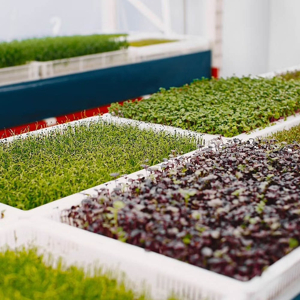
Choose an area that offers a clean, temperature-controlled environment. Indoor vertical farming with LED grow lights ensures year-round production. Acquire essential equipment like trays, grow media (coconut coir or potting soil), seeds, grow lights, and watering tools.
Step 3: Source Quality Seeds and Supplies
Invest in high-quality microgreen seeds from reputable suppliers to ensure germination and nutrient richness. Use organic growing medium and maintain cleanliness to avoid contamination.
Step 4: Cultivation Process
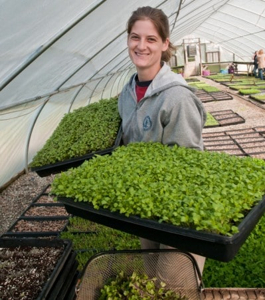
Follow best practices to grow microgreens efficiently: sow seeds densely, maintain adequate moisture, provide 4-6 hours of light daily, and harvest when first true leaves appear (7-14 days). Practice hygiene and quality control to deliver fresh produce.
Step 5: Marketing and Sales
- Create an online presence: Build a website and social media profiles showcasing your microgreens, health benefits, and recipes.
- Leverage local partnerships: Collaborate with local restaurants, cafes, and grocery stores. Provide samples and educate partners on your product.
- Participate in farmers’ markets and food expos: Engage directly with consumers to build trust and brand recognition.
- Use subscription models: Offer home delivery services for regular customers preferring convenience.
Step 6: Legal Compliance
Register your business legally and acquire necessary food licenses like FSSAI in India. Ensure compliance with hygiene and packaging standards to build credibility.
Step 7: Scaling Up
Once established, consider expanding by introducing new microgreen varieties, launching workshops, or franchising. Use customer feedback to innovate and improve.
Conclusion
The microgreens business is a lucrative, sustainable, and scalable entrepreneurial path that mixes health with profitability. With careful planning, quality cultivation, and effective marketing, you can build a thriving microgreens venture that meets growing consumer demand for fresh, nutrient-rich foods.
